Ultimate All-on-4 Dental Implants: Complete Downside Guide
WHAT ARE THE REAL DOWNSIDES OF ALL-ON-4 DENTAL IMPLANTS?

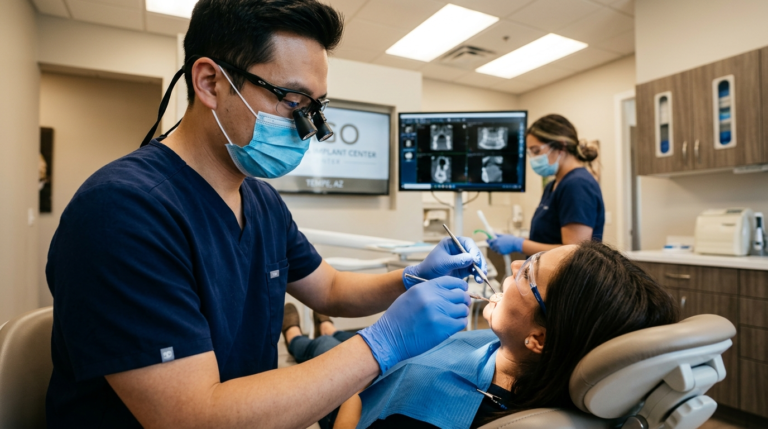
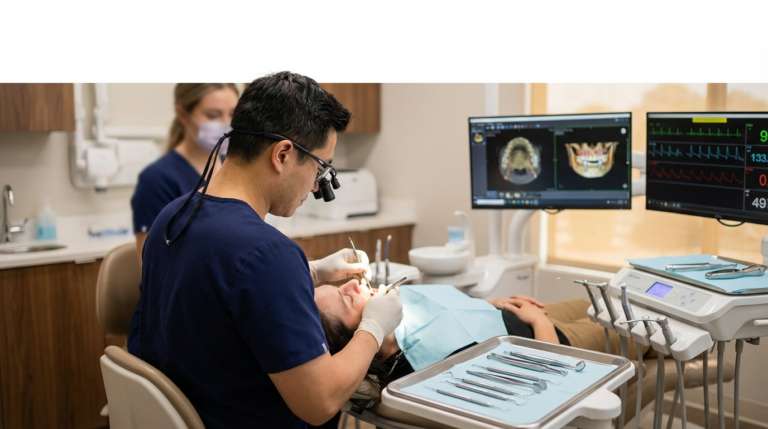
While all-on-4 dental implants have revolutionized tooth replacement, it’s important to understand that no treatment is perfect. Many patients considering this life-changing procedure want to know the honest downsides before making their decision. At IGO Dental & Implant Center in Tempe, Dr. Han Choi, DABOI, FAAID, has helped hundreds of patients achieve complete smile restoration, but he always ensures they understand both the benefits and challenges of all-on-4 dental implants.
This comprehensive guide explores the real downsides of this treatment, helping you make an informed decision about whether it’s right for you.

🦷 THE SIGNIFICANT UPFRONT COST OF ALL-ON-4 DENTAL IMPLANTS
One of the most substantial downsides of all-on-4 dental implants is the initial investment required. At IGO Dental & Implant Center, the procedure costs $11,999, which represents a significant financial commitment for most patients. This is considerably higher than traditional dentures or bridges, which can cost between $1,000-$3,000.
While this treatment offers superior longevity and function, the upfront cost can be prohibitive. Many insurance plans classify all-on-4 dental implants as cosmetic or elective procedures and don’t provide coverage. Patients must often explore financing options, payment plans, or dental discount programs to make the procedure affordable.
⏱️ THE LENGTHY TREATMENT TIMELINE FOR ALL-ON-4 DENTAL IMPLANTS
Another downside of all-on-4 dental implants is that the complete process isn’t quick. While you receive a temporary restoration on the same day as surgery, the full integration of the implants with your jawbone takes time. According to peer-reviewed research, osseointegration—the process where implants fuse with bone—typically requires 3-6 months.
During this healing period, you’re restricted in what you can eat and must maintain meticulous oral hygiene. The final permanent restoration isn’t placed until the implants have fully integrated. For patients expecting immediate results, this extended timeline can be frustrating.
Additionally, follow-up appointments and adjustments are necessary throughout the healing process. If complications arise—such as infection or implant failure—the timeline extends further, potentially adding months to your treatment.
⚠️ POTENTIAL SURGICAL COMPLICATIONS AND RISKS
Like any surgical procedure, all-on-4 dental implants carry inherent risks. While complication rates are relatively low, they do exist and represent a significant downside to consider. Possible surgical risks include nerve damage, sinus complications, and excessive bleeding during the procedure.
Nerve damage can result in temporary or permanent numbness in the lower lip, chin, or tongue. Sinus perforation occurs when implants penetrate the sinus cavity above the upper teeth. While these complications are uncommon, they can result in additional treatment costs and extended recovery periods.
The American Dental Association emphasizes that choosing an experienced implant surgeon like Dr. Han Choi, DABOI, FAAID, significantly reduces these risks. However, no surgeon can eliminate them entirely.
🦴 BONE LOSS AND STRUCTURAL CONCERNS
A lesser-known downside of all-on-4 dental implants involves ongoing bone loss in areas where teeth were missing before implant placement. Even with implants in place, the jawbone can continue to resorb over time, particularly in areas without implant support.
This bone loss can affect the long-term stability of your restoration and may necessitate bone grafting procedures. Some patients discover they need bone augmentation before or during implant placement, which adds cost and complexity to their treatment. According to clinical studies, approximately 25-30% of patients require some form of bone grafting.
🛠️ ONGOING MAINTENANCE AND CARE REQUIREMENTS
While all-on-4 dental implants don’t require the same maintenance as removable dentures, they do demand consistent care. The restoration must be cleaned daily, and patients need professional cleanings every 3-6 months. Unlike natural teeth, the implant-to-bone connection doesn’t have the same protective mechanisms, making it more vulnerable to infection.
Peri-implantitis—an infection around the implant—is a serious complication that can lead to implant failure. This condition requires aggressive treatment and can result in bone loss. Maintaining excellent oral hygiene is non-negotiable with this treatment option.
💬 LEARNING CURVE AND ADJUSTMENT PERIOD
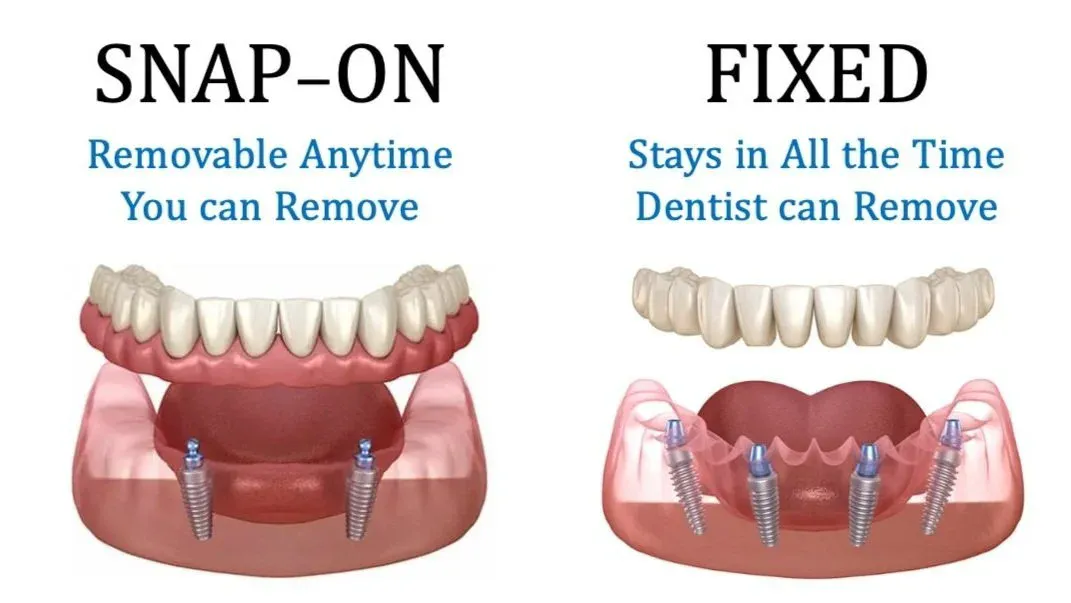
A downside many patients don’t anticipate is the adjustment period required after receiving all-on-4 dental implants. Even though the restoration is permanently fixed, it feels different from natural teeth initially. Speech patterns may be affected temporarily, and some patients report difficulty with pronunciation during the first few weeks.
Eating also requires adjustment. While the restoration eventually feels natural, there’s an initial learning curve. Certain foods must be avoided, and chewing patterns need to be relearned. This transition period can last anywhere from a few weeks to several months, depending on the individual.
🔧 POTENTIAL FOR MECHANICAL COMPLICATIONS
Over time, the components of all-on-4 dental implants can experience wear and tear. The prosthetic teeth can chip or crack, the acrylic or zirconia material can stain, and the supporting structure may require adjustments. While these are generally cosmetic concerns, they can necessitate repairs or replacement of the restoration.
The screw-retained components can loosen, requiring professional tightening. In rare cases, implant fracture can occur, though this is uncommon with modern implant designs. These mechanical issues represent additional costs beyond the initial investment.
💰 LONG-TERM FINANCIAL COMMITMENT
Beyond the initial $11,999 cost at IGO Dental & Implant Center, this treatment requires ongoing financial investment. Professional cleanings, potential repairs, and eventual replacement of components add up over time. While the restoration can last 15-20+ years, it’s not truly “permanent” in the sense of never needing attention.
Patients should budget for maintenance costs throughout the life of the restoration. Some individuals find the cumulative expense surprising when they calculate the total cost of ownership over decades.
❓ FREQUENTLY ASKED QUESTIONS
What is the most common downside of all-on-4 dental implants?
The most frequently cited downside is the initial cost. At $11,999, all-on-4 dental implants represent a substantial investment that many traditional tooth replacement options don’t require. However, when considering the 15-20+ year lifespan and superior function, many patients find the long-term value justifies the upfront expense.
Can all-on-4 dental implants fail?
Yes, while success rates exceed 95%, implant failure is possible. Failure typically results from infection, inadequate bone, poor oral hygiene, or surgeon error. Choosing an experienced implant specialist like Dr. Han Choi, DABOI, FAAID, significantly reduces failure risk. If failure occurs, the implant can usually be replaced.
How long does the healing process take for all-on-4 dental implants?
Complete osseointegration typically requires 3-6 months. During this period, patients must follow dietary restrictions and maintain exceptional oral hygiene. The final permanent restoration isn’t placed until full integration is confirmed, making this one of the notable downsides for patients seeking quick results.
Do all-on-4 dental implants require special cleaning?
Yes, this treatment requires meticulous daily cleaning and professional maintenance every 3-6 months. Patients must use special floss or water flossers to clean around the implant-supported restoration. Poor oral hygiene can lead to peri-implantitis and implant failure, making ongoing care a significant responsibility.
Are there downsides to the appearance of all-on-4 dental implants?
While modern all-on-4 dental implants look natural, some patients report concerns about the gum line appearance or the thickness of the restoration. The fixed nature means you cannot remove it for adjustment, unlike dentures. Working with an experienced cosmetic implant specialist ensures optimal aesthetic results.
📍 VISIT IGO DENTAL & IMPLANT CENTER IN TEMPE

IGO Dental & Implant Center
512 E Southern Ave Suite 101
Tempe, AZ 85282
📞 (602) 999-8888
Hours:
Mon: 9-5 | Tue: 11-7 | Wed: 9-5 | Thu: 10-6 | Fri: 9-3 | Sat: 8-2
Serving Tempe, Mesa, Chandler, Gilbert.
New Patient Special: $89 – Call (602) 999-8888 to schedule today!
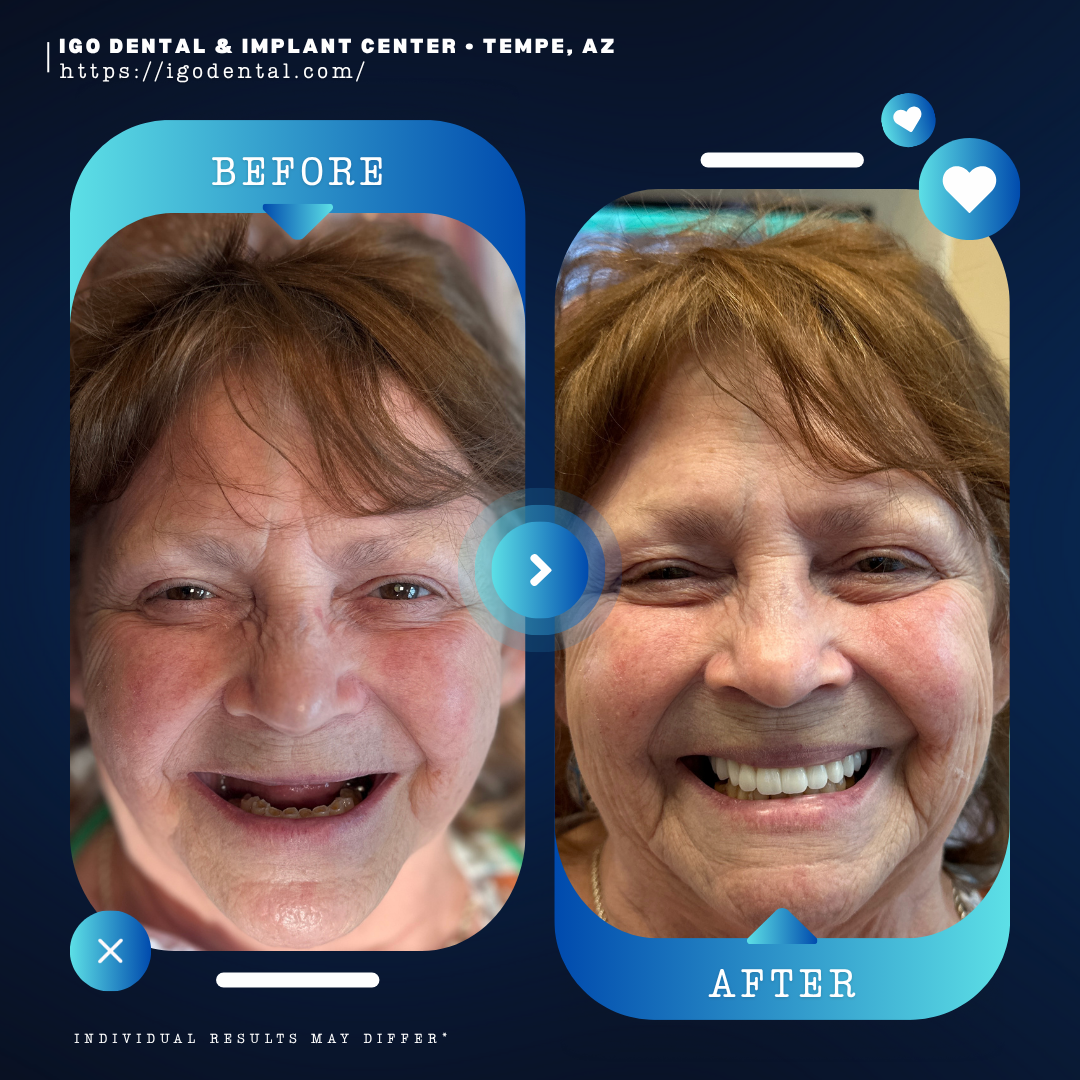
Understanding both the benefits and downsides of all-on-4 dental implants is essential before making your decision. Dr. Han Choi, DABOI, FAAID, and his team provide honest consultations to help you determine if this treatment is right for you. View our smile gallery for real patient results!