Prevent Gum Disease: 7 Proven Strategies for Healthy Gums
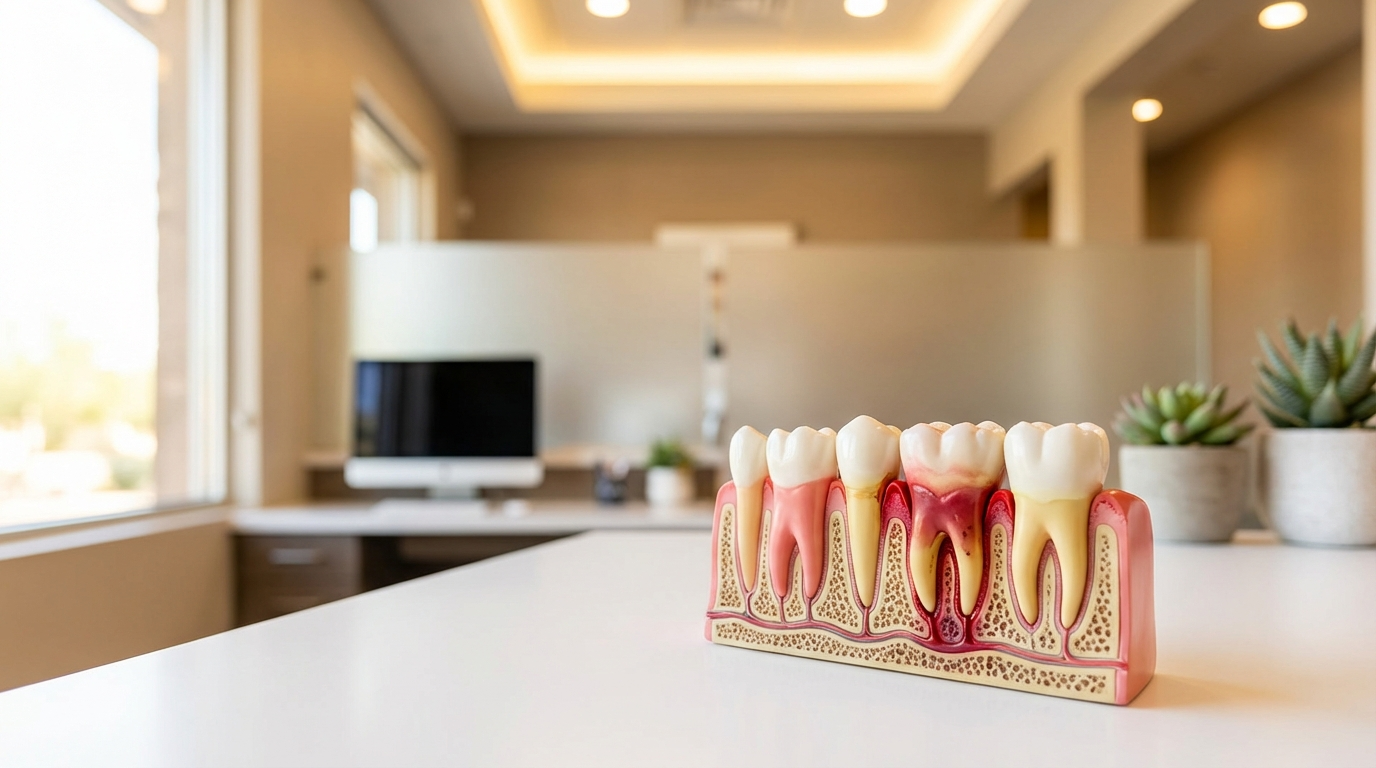
Gum disease affects nearly half of American adults, yet most cases are entirely preventable. Learning how to prevent gum disease is one of the most important investments you can make in your long-term oral health and overall wellness. Whether you’re dealing with early warning signs or simply want to protect your smile for years to come, understanding the key strategies to prevent gum disease can save you from painful procedures, tooth loss, and expensive treatments down the road.
At IGO Dental & Implant Center in Tempe, Dr. Hanna Choi, provides comprehensive dental care with a gentle, patient-centered approach. Specializing in cosmetic and general dentistry, Dr. Hanna Choi helps patients achieve healthy, beautiful smiles they’re proud to show off. With evidence-based strategies and personalized guidance, Dr. Hanna Choi works with patients to prevent gum disease before it becomes a serious problem.

🦷 WHY IS IT SO IMPORTANT TO PREVENT GUM DISEASE?
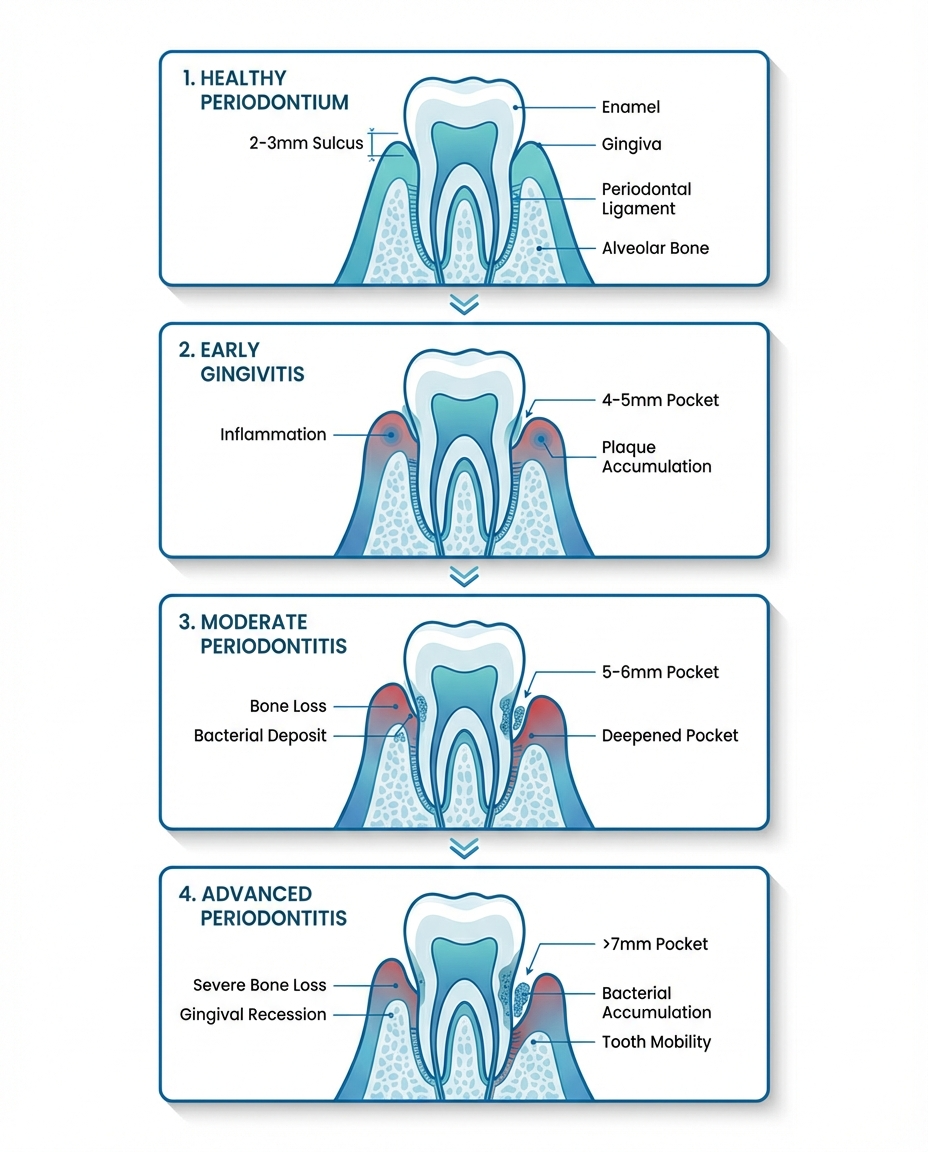
Understanding the consequences of gum disease is the first step toward motivation to prevent gum disease in your own mouth. Gum disease begins silently—often without pain or obvious symptoms—and progresses through stages if left untreated. Early-stage gum disease, called gingivitis, causes inflammation and bleeding when you brush or floss. If you don’t take action to prevent gum disease from advancing, it can develop into periodontitis, a more serious condition that damages the bone supporting your teeth.
The stakes are high. Advanced gum disease is the leading cause of tooth loss in adults—even more common than cavities. Beyond your teeth, peer-reviewed research has linked periodontal disease to serious health conditions including heart disease, diabetes complications, and respiratory infections. This is why learning how to prevent gum disease matters for your entire body, not just your smile.
✅ 7 PROVEN STRATEGIES TO PREVENT GUM DISEASE
1. Master Your Brushing Technique
Many people brush their teeth, but not everyone brushes correctly. To effectively prevent gum disease, you need to brush at a 45-degree angle toward your gum line using gentle, circular motions. Avoid aggressive scrubbing, which can damage gum tissue and increase your risk of recession. Brush for at least two minutes, twice daily using a soft-bristled toothbrush. Replace your toothbrush every three months or when bristles become frayed.
Electric toothbrushes can be particularly effective at helping you prevent gum disease because their oscillating motion is often superior to manual brushing for removing plaque along the gum line. The key is consistency—establishing a daily routine that you’ll stick with for life.
2. Don’t Skip the Floss
Flossing is non-negotiable when you want to prevent gum disease. Your toothbrush can only clean about 60% of your tooth surfaces; floss reaches the spaces between teeth and below the gum line where plaque accumulates. Floss at least once daily, preferably before bed, using a gentle sawing motion to guide the floss between teeth. Avoid snapping the floss down onto your gums, which can cause injury.
If traditional floss is difficult for you, water flossers and interdental brushes are excellent alternatives that still effectively help prevent gum disease. The most important thing is finding a method you’ll actually use consistently.
3. Use Antimicrobial Mouthwash
Adding an antimicrobial or antiseptic mouthwash to your routine is an easy way to prevent gum disease. Look for products containing chlorhexidine or essential oils that kill the bacteria responsible for gum infections. Rinse for 30-60 seconds after brushing and flossing, but don’t rinse with water afterward, as this reduces the mouthwash’s effectiveness.
According to the American Dental Association, antimicrobial rinses can significantly reduce plaque and gingivitis when used as part of a comprehensive oral hygiene routine designed to prevent gum disease.

4. Quit Smoking and Tobacco Use
Smoking is one of the most significant risk factors for gum disease, and quitting is essential if you want to prevent gum disease. Tobacco use suppresses your immune system’s ability to fight bacterial infections and impairs healing. Smokers are up to 15 times more likely to develop severe gum disease compared to non-smokers. Even smokeless tobacco and vaping can increase your risk.
If you use tobacco products, talk to your doctor about cessation programs and support options. Quitting is one of the single most powerful steps you can take to prevent gum disease and improve your overall health.
5. Manage Your Diet Strategically
What you eat directly impacts your ability to prevent gum disease. Limit sugary foods and drinks, as bacteria feed on sugar and produce acids that damage gum tissue. Avoid sticky foods that cling to teeth and promote plaque formation. Instead, focus on nutrient-dense foods that support gum health: leafy greens, fatty fish rich in omega-3s, citrus fruits, and dairy products.
Vitamin C and vitamin D are particularly important for maintaining healthy gums. These nutrients support collagen production and immune function, helping your body fight the bacteria that cause gum disease. Eating a balanced diet isn’t just good for your waistline—it’s essential to prevent gum disease and maintain strong teeth and bones.
6. Manage Stress and Sleep Well
Chronic stress weakens your immune system and increases inflammation throughout your body, making it harder to prevent gum disease. High stress levels elevate cortisol, which suppresses immune function and allows harmful bacteria to thrive. Similarly, poor sleep quality impairs your body’s ability to fight infection and repair damaged tissues.
Prioritize 7-9 hours of quality sleep each night and incorporate stress-reduction techniques like meditation, exercise, or yoga. These lifestyle factors work synergistically with your oral hygiene routine to help you prevent gum disease more effectively.
7. Visit Your Dentist Regularly
Even with perfect home care, professional cleanings are essential to prevent gum disease. Visit your dentist at least twice a year for cleanings and examinations. During these visits, your hygienist removes tartar (hardened plaque) that you cannot remove at home, and your dentist screens for early signs of gum disease.
If you have risk factors for gum disease—such as a family history, diabetes, or previous periodontal problems—you may benefit from more frequent professional cleanings every three to four months. Regular professional care is your best defense to prevent gum disease before it becomes serious.
🔬 WHAT HAPPENS WHEN YOU SUCCESSFULLY PREVENT GUM DISEASE?
When you implement these strategies to prevent gum disease, you’ll notice immediate and long-term benefits. Within weeks, your gums will be less red and swollen, and bleeding during brushing will decrease. Your breath will freshen as harmful bacteria populations decline. Over months and years, you’ll maintain your natural teeth, avoid painful procedures, and enjoy better overall health.
The financial benefits are substantial too. Preventing gum disease costs far less than treating advanced periodontitis, which may require root planing, bone grafting, or even tooth extraction and replacement with dental implants. By investing in prevention now, you’re protecting your smile and your wallet for decades to come.
❓ FREQUENTLY ASKED QUESTIONS
Can I completely prevent gum disease if I have a family history of it?
Genetics play a role in gum disease susceptibility, but you can still significantly reduce your risk. Even if your parents had gum disease, following these seven strategies to prevent gum disease will help protect your teeth. Talk to Dr. Hanna Choi about your family history so she can monitor you more closely and recommend additional preventive measures tailored to your risk factors.
How long does it take to see results when you prevent gum disease?
You may notice improvements in gum health within 1-2 weeks of implementing better oral hygiene habits. However, it typically takes 2-3 weeks for gums to return to a healthy state. The key is consistency—maintain these habits indefinitely to prevent gum disease from returning.
What’s the difference between preventing gingivitis and preventing periodontitis?
Gingivitis is the earliest stage of gum disease and is completely reversible if you prevent gum disease from progressing. Periodontitis is advanced gum disease where bone loss has occurred, and while it can be managed, the damage cannot be fully reversed. This is why early prevention is so critical—it’s much easier to prevent gum disease in the first place than to treat advanced stages.
Do certain medications make it harder to prevent gum disease?
Yes, some medications can increase gum disease risk by reducing saliva production or causing gum overgrowth. Common culprits include blood pressure medications, anticonvulsants, and immunosuppressants. If you take medications, inform Dr. Hanna Choi so she can help you develop a customized prevention plan to prevent gum disease despite your medications.
Is it ever too late to start preventing gum disease?
It’s never too late to prevent gum disease from worsening. Even if you already have some gum disease, implementing these strategies can halt progression and improve your gum health. The sooner you start, the better your outcomes will be. Contact IGO Dental today for a comprehensive evaluation and personalized prevention plan.
📍 VISIT IGO DENTAL & IMPLANT CENTER IN TEMPE

IGO Dental & Implant Center
512 E Southern Ave Suite 101
Tempe, AZ 85282
📞 (602) 999-8888
Hours:
Mon: 9-5 | Tue: 11-7 | Wed: 9-5 | Thu: 10-6 | Fri: 9-3 | Sat: 8-2
Serving Tempe, Mesa, Chandler, Gilbert, and the Greater Phoenix area.
New Patient Special: $89 – Includes exam, X-rays, and consultation!
We offer flexible payment plans through Cherry to make your treatment affordable.
Not sure where to start? Lucy, our AI assistant, can walk you through your options and help you book the perfect appointment time—day or night.
Ready to prevent gum disease and protect your smile? Call (602) 999-8888 or schedule online today!
View our smile gallery to see real patient results!