How Long Do Dental Implants Last? Complete Lifespan Guide
If you’re considering dental implants to restore your smile, one of your first questions is likely: “How long will they last?” The answer is encouraging—dental implants can last 20-30 years or even a lifetime with proper care and maintenance. Unlike dentures or bridges that typically need replacement every 5-15 years, dental implants offer a permanent solution that can transform your oral health for decades.
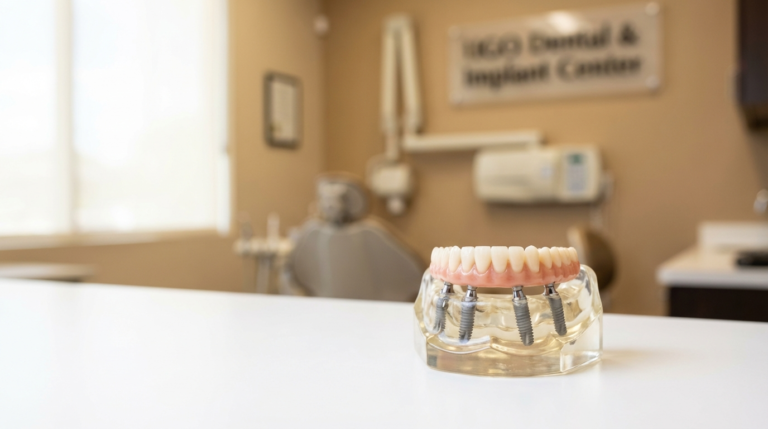
At IGO Dental & Implant Center in Tempe, Dr. Han Choi, DABOI, FAAID, has helped hundreds of patients achieve permanent, beautiful smiles. With dual board certifications in implant dentistry, Dr. Choi specializes in complex cases including All-on-4 and full-arch restorations. His expertise ensures your dental implants are placed with precision, maximizing their longevity and success.

🦷 WHAT IS THE AVERAGE LIFESPAN OF DENTAL IMPLANTS?
Research shows that dental implants have an impressive success rate of 95-98% over 10 years. According to peer-reviewed research published in the Journal of Oral Implantology, the average lifespan of dental implants ranges from 20-30 years, with many lasting even longer. Some studies report that properly maintained implants can function for 40+ years or even a lifetime.
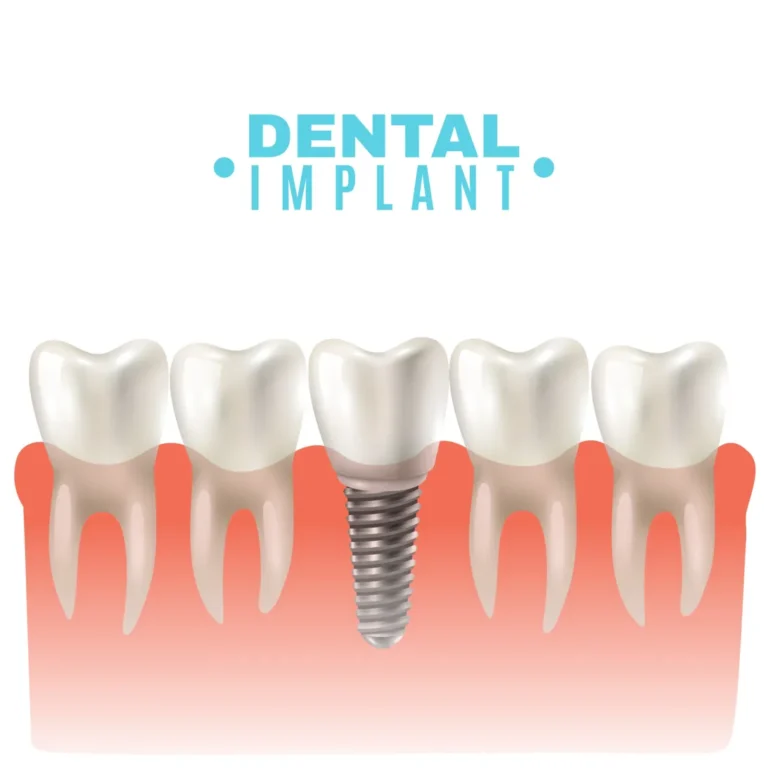
The key difference between dental implants and other tooth replacement options is that implants fuse directly to your jawbone through a process called osseointegration. This biological integration creates a stable, permanent foundation that becomes stronger over time. In contrast, dentures rest on soft tissue and require constant adjustment, while bridges depend on neighboring teeth for support.
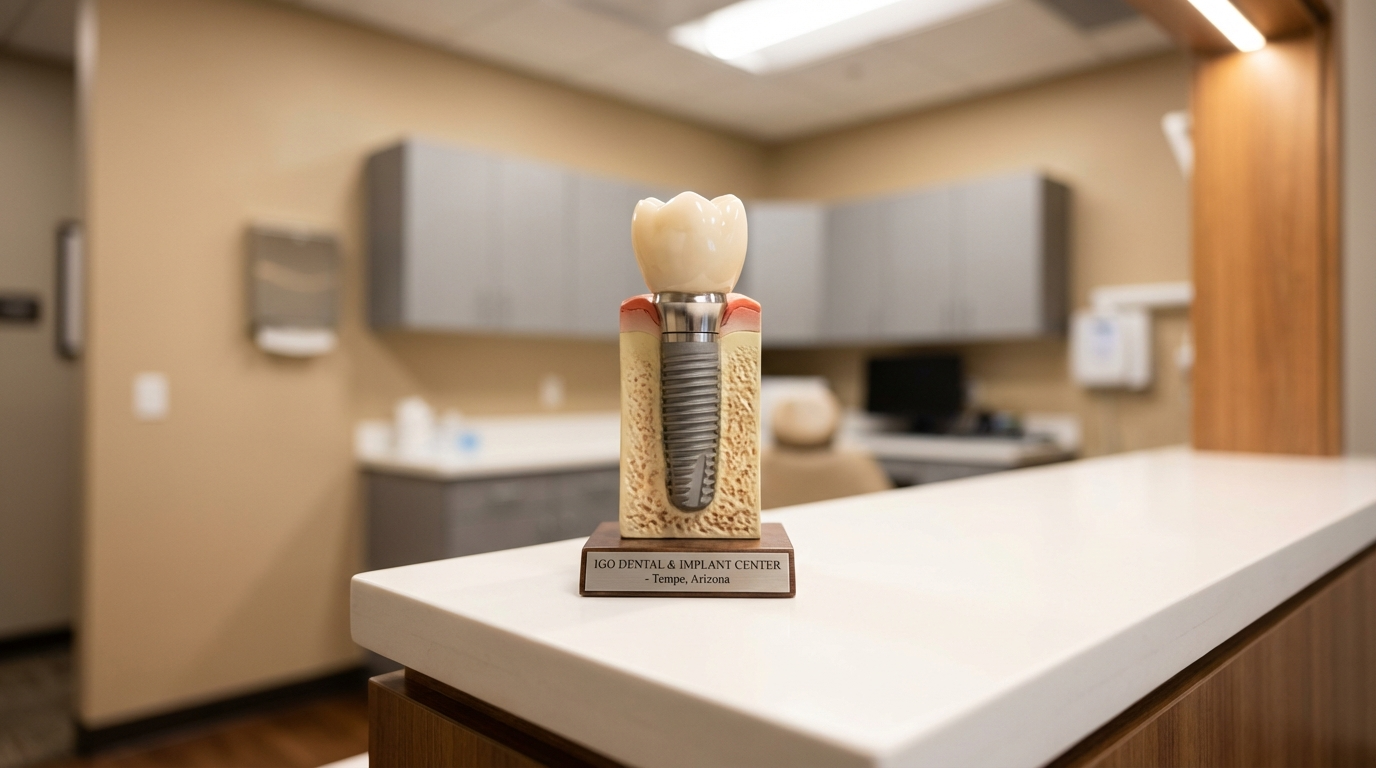
At IGO Dental, our patients often ask, “Will my dental implants really last forever?” The honest answer is: they can, if you take care of them properly. The implant fixture itself—the titanium post anchored in your bone—is designed to last indefinitely. However, the crown (the visible tooth part) may need replacement after 15-20 years due to normal wear and tear.
⏰ FACTORS THAT AFFECT HOW LONG DENTAL IMPLANTS LAST
Not all dental implants last equally long. Several factors influence the lifespan of your implants, and understanding these can help you maximize your investment:

1. Oral Hygiene and Maintenance
The most critical factor in how long dental implants last is your daily oral care routine. Brush twice daily with a soft-bristled toothbrush, floss daily (using special implant floss or water flossers), and rinse with antimicrobial mouthwash. Poor oral hygiene can lead to peri-implantitis—an infection around the implant that can cause bone loss and implant failure.
2. Smoking and Tobacco Use
Smoking significantly reduces the lifespan of dental implants. Tobacco restricts blood flow to the jawbone, slowing healing and weakening the bone-implant bond. Smokers have implant failure rates 2-3 times higher than non-smokers. If you smoke, quitting before treatment—or at least during the healing period—dramatically improves your implant’s longevity.
3. Bone Quality and Quantity
Your jawbone must be healthy and dense enough to support dental implants. Patients with significant bone loss may require bone grafting before implant placement. According to the American Dental Association, adequate bone support is essential for implant stability and longevity. Dr. Han Choi uses advanced imaging to assess bone quality and may recommend grafting if needed.
4. Overall Health and Medical Conditions
Systemic conditions like diabetes, osteoporosis, and autoimmune diseases can affect how long dental implants remain successful. Uncontrolled diabetes, in particular, increases infection risk and slows bone healing. If you have chronic health conditions, discuss them with Dr. Choi during your consultation to ensure you’re a good candidate.
5. Implant Placement Technique
The skill and precision of your implant surgeon dramatically impacts longevity. Dr. Han Choi’s dual board certifications (DABOI and FAAID) demonstrate his expertise in complex implant cases. Proper angle, depth, and positioning of the implant fixture ensure optimal load distribution and long-term stability of your dental implants.
6. Regular Dental Checkups
Visiting your dentist every 6 months allows early detection of any problems with your dental implants. Professional cleanings remove tartar buildup that home care can’t reach, and X-rays reveal any bone loss around the implant before it becomes serious.
7. Bite Force and Jaw Clenching
Excessive grinding (bruxism) or clenching can overload dental implants and cause premature failure. If you grind your teeth, wearing a night guard protects your implants from damage and extends their lifespan.
🔧 HOW TO MAINTAIN YOUR DENTAL IMPLANTS FOR MAXIMUM LONGEVITY
Maintaining your dental implants is straightforward and similar to caring for natural teeth, but with a few important differences:
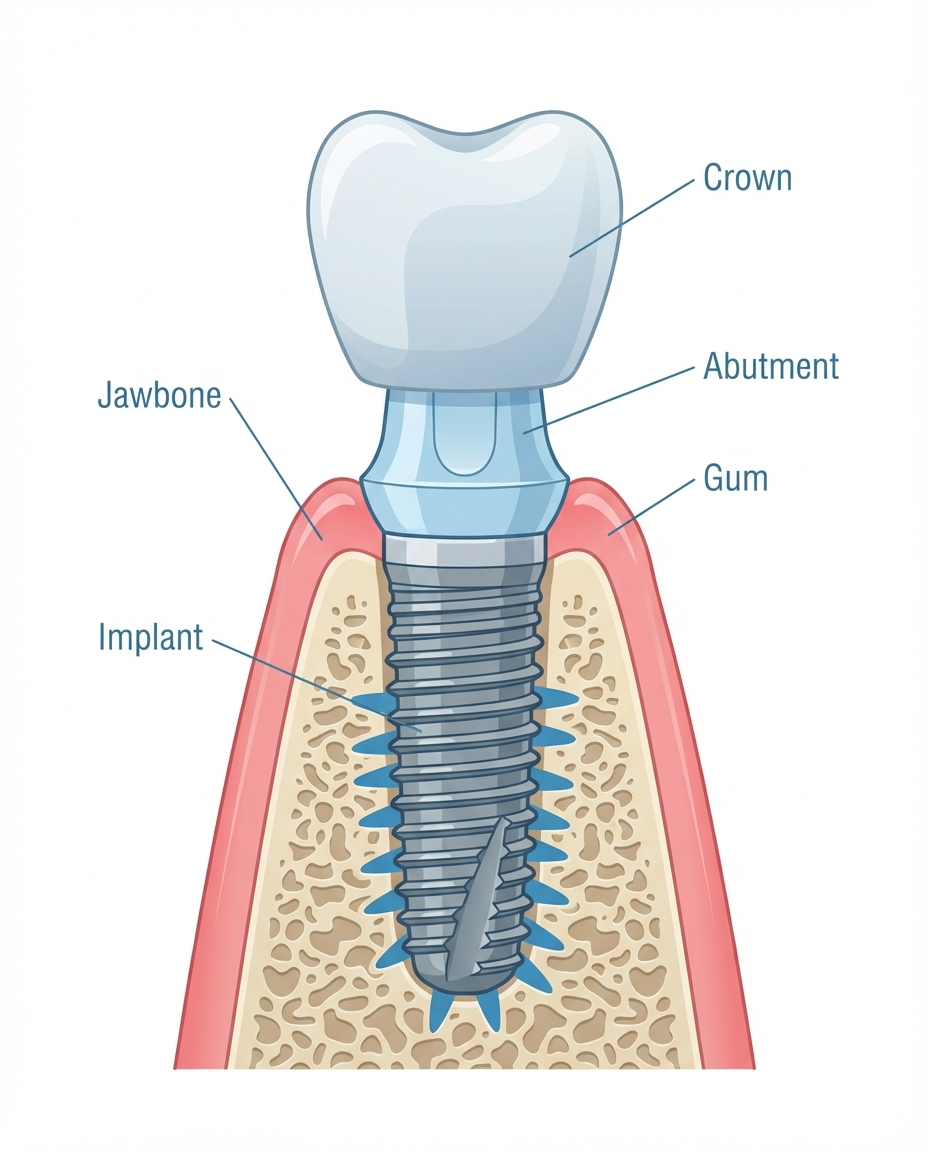
Daily Care Routine: Brush your implants gently with a soft-bristled toothbrush, just like natural teeth. Use special implant floss or a water flosser to clean around the implant crown and under the gumline. Avoid metal picks or abrasive tools that can scratch the crown surface.
Diet Considerations: While dental implants are incredibly strong, avoid chewing on hard objects like ice, hard candy, or bones that could damage the crown. You can eat virtually any food once fully healed—one of the biggest advantages over dentures.
Professional Maintenance: Schedule cleanings every 6 months with your dentist. Dr. Han Choi uses special instruments designed for implants that won’t damage the crown or surrounding tissues. These professional visits are crucial for the long-term success of your dental implants.
Avoid Smoking and Alcohol: If you smoke, quit. Smoking dramatically reduces implant longevity. Excessive alcohol consumption can also slow healing and weaken bone quality.
Address Teeth Grinding: If you grind your teeth at night, ask Dr. Choi about a custom night guard. This prevents excessive force on your implants and extends their lifespan significantly.
💰 COST CONSIDERATIONS AND LONG-TERM VALUE
While dental implants have a higher upfront cost than dentures or bridges, they offer exceptional long-term value. A single implant at IGO Dental starts at $1,999, and All-on-4 restorations begin at $11,999 per arch. When you consider that dental implants can last 20-30 years or more, the cost per year is significantly lower than replacing dentures every 5-7 years.
We offer flexible payment plans through Cherry to make treatment affordable. Many patients find that spreading payments over time makes this life-changing treatment accessible.
❓ FREQUENTLY ASKED QUESTIONS
Can dental implants last a lifetime?
Yes, dental implants can last a lifetime with proper care and maintenance. The titanium implant fixture is designed to integrate with your bone permanently. However, the crown may need replacement after 15-20 years due to normal wear. This is still far longer than dentures or bridges, making implants an excellent long-term investment.
What is the success rate of dental implants?
Dental implants have a success rate of 95-98% over 10 years, making them one of the most successful dental procedures available. Long-term success depends on proper placement technique, good oral hygiene, and regular professional care. Dr. Han Choi’s expertise and advanced technology at IGO Dental ensure optimal outcomes for our patients.
How often do dental implants need to be replaced?
The titanium implant fixture rarely needs replacement if properly maintained. However, the crown covering the implant may need replacement after 15-20 years due to normal wear and tear. This is much less frequent than dentures (every 5-7 years) or bridges (every 10-15 years), making dental implants the most durable tooth replacement option.
Does smoking affect how long dental implants last?
Yes, smoking significantly reduces implant longevity. Tobacco restricts blood flow and slows bone healing, increasing implant failure risk by 2-3 times compared to non-smokers. If you smoke, quitting before implant placement—or at minimum during the healing period—is essential for long-term success of your dental implants.
What happens if a dental implant fails?
Implant failure is rare (2-5%) but can occur due to infection, bone loss, or poor osseointegration. If an implant fails, Dr. Han Choi can remove it and place a new one after the bone heals. Modern techniques and materials make successful replacement highly likely. This is why regular checkups are important—early detection allows prompt intervention before problems become serious.
Are dental implants covered by insurance?
Coverage varies by plan. Some insurance companies cover 50% of implant costs after meeting your deductible, while others don’t cover them at all. We recommend contacting your insurance provider before treatment. Regardless of coverage, we offer flexible payment plans to make dental implants affordable for everyone.
📍 VISIT IGO DENTAL & IMPLANT CENTER IN TEMPE

IGO Dental & Implant Center
512 E Southern Ave Suite 101
Tempe, AZ 85282
📞 (602) 999-8888
Hours:
Mon: 9-5 | Tue: 11-7 | Wed: 9-5 | Thu: 10-6 | Fri: 9-3 | Sat: 8-2
Serving Tempe, Mesa, Chandler, Gilbert, and the Greater Phoenix area.
New Patient Special: $89 – Includes exam, X-rays, and consultation!
We offer flexible payment plans through Cherry to make your treatment affordable.
Got questions at 2 AM? Lucy, our AI receptionist, never sleeps. Chat with her anytime to schedule your consultation or learn more about treatment options.
Ready for dental implants that last? Call (602) 999-8888 or schedule online today!
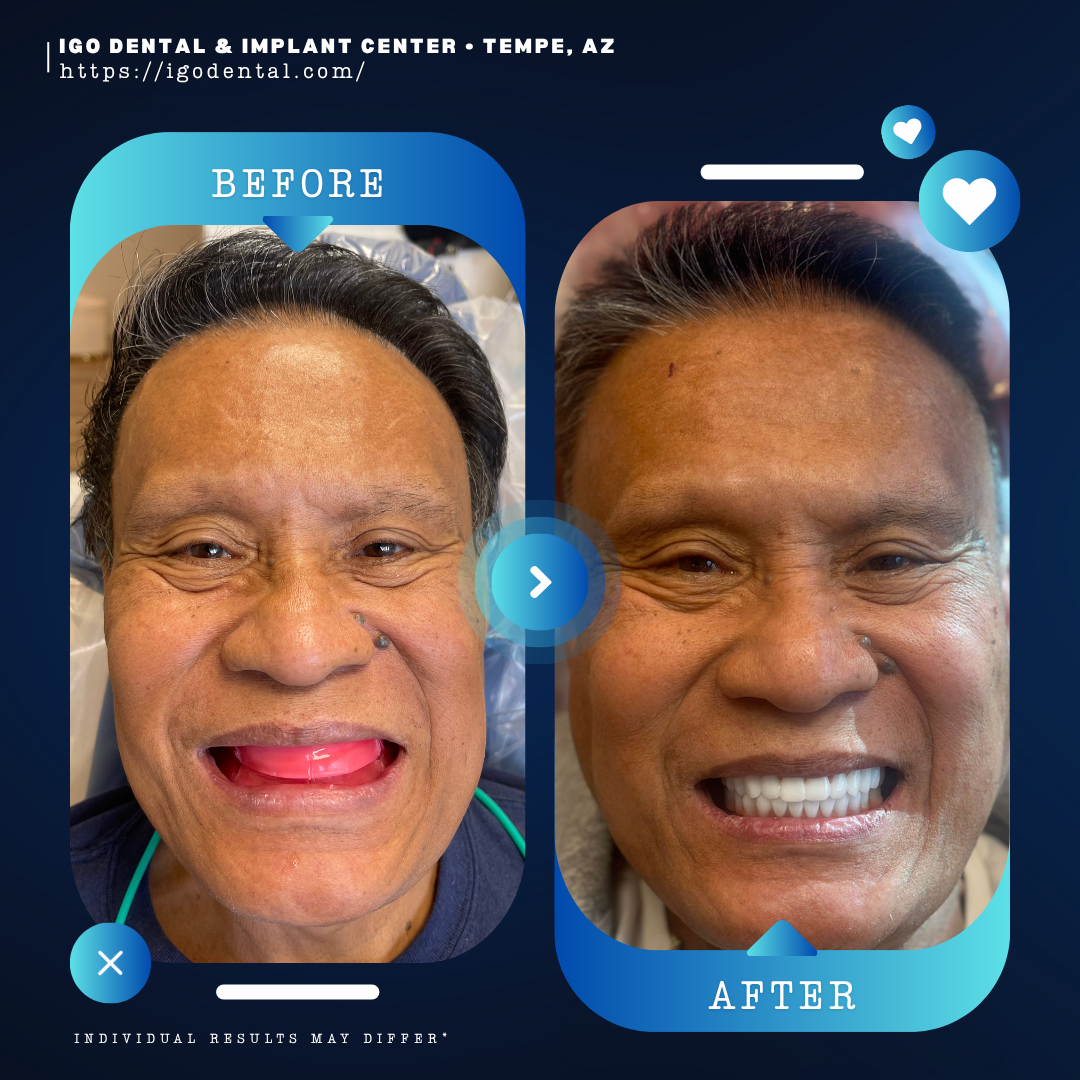
View our smile gallery to see real patient results!